Robin Robin was one of just five films nominated for Best Animated Short Film at the 94th Academy Awards, a remarkable achievement for a 30‑minute stop‑motion musical made for Netflix. This nomination crowned a journey that brought together Aardman’s storytelling, a bold new visual style, and a heartfelt score created by The Bookshop Band and orchestrated by collaborators behind the scenes. For everyone involved in the music department, the nomination felt like a rare moment when a lovingly crafted short film captured the attention of the global film community.
Key Takeaways
| Question | Answer |
|---|---|
| What was Robin Robin nominated for at the Oscars? | Robin Robin received an Academy Award nomination for Best Animated Short Film at the 94th Oscars in 2022, recognising its storytelling, animation, and music. |
| Who produced Robin Robin? | The short was produced by Aardman for Netflix, with the official announcement of its nomination shared on Aardman’s news page: Robin Robin Oscar nomination. |
| Who created the music for Robin Robin? | The songs and score were written by Beth Porter and Ben Please, known as Bookshop Band, with orchestration by Jools Scott and Adam Langston for the film’s recording sessions. |
| Where can I read more about the project on this site? | You can explore more background on the score and its orchestration on the dedicated page Robin Robin: An Aardman Musical Adventure at joolsscott.co.uk. |
| How is Robin Robin connected to other film music projects? | Robin Robin sits alongside other screen projects such as String Resonance I: Sounds of Red Bull, showcasing an ongoing focus on cinematic storytelling through music. |
| Where can I find more choral and film-related music by the same composer? | Beyond Robin Robin, you’ll find projects like Stardust : Voices for Life and a full catalogue of scores via the Sheet Music section on this site. |
Aardman, Netflix and the Road to the Oscar Nomination
When Aardman announced that Robin Robin had been nominated for an Oscar, it confirmed what many viewers already felt: this was a short film with unusual warmth and craft. Produced for Netflix, the 30‑minute story follows a young robin raised by burglar mice, balancing comedy, heart and music in a compact format that resonated with families worldwide.
The partnership between Aardman and Netflix gave Robin Robin a huge global platform, making it instantly available in homes across continents. That reach helped the film build the visibility it needed within the Academy’s eligibility window, while its handmade charm stood out among the year’s animated contenders.
What Makes “Robin Robin” an Oscar-Worthy Animated Short?
Robin Robin stands out because it’s more than a seasonal special; it’s a fully realised musical fable. The story of a misfit bird trying to prove she can be “a really good mouse” is simple enough for young viewers, yet layered with themes of belonging, family, and identity that speak just as strongly to adults.
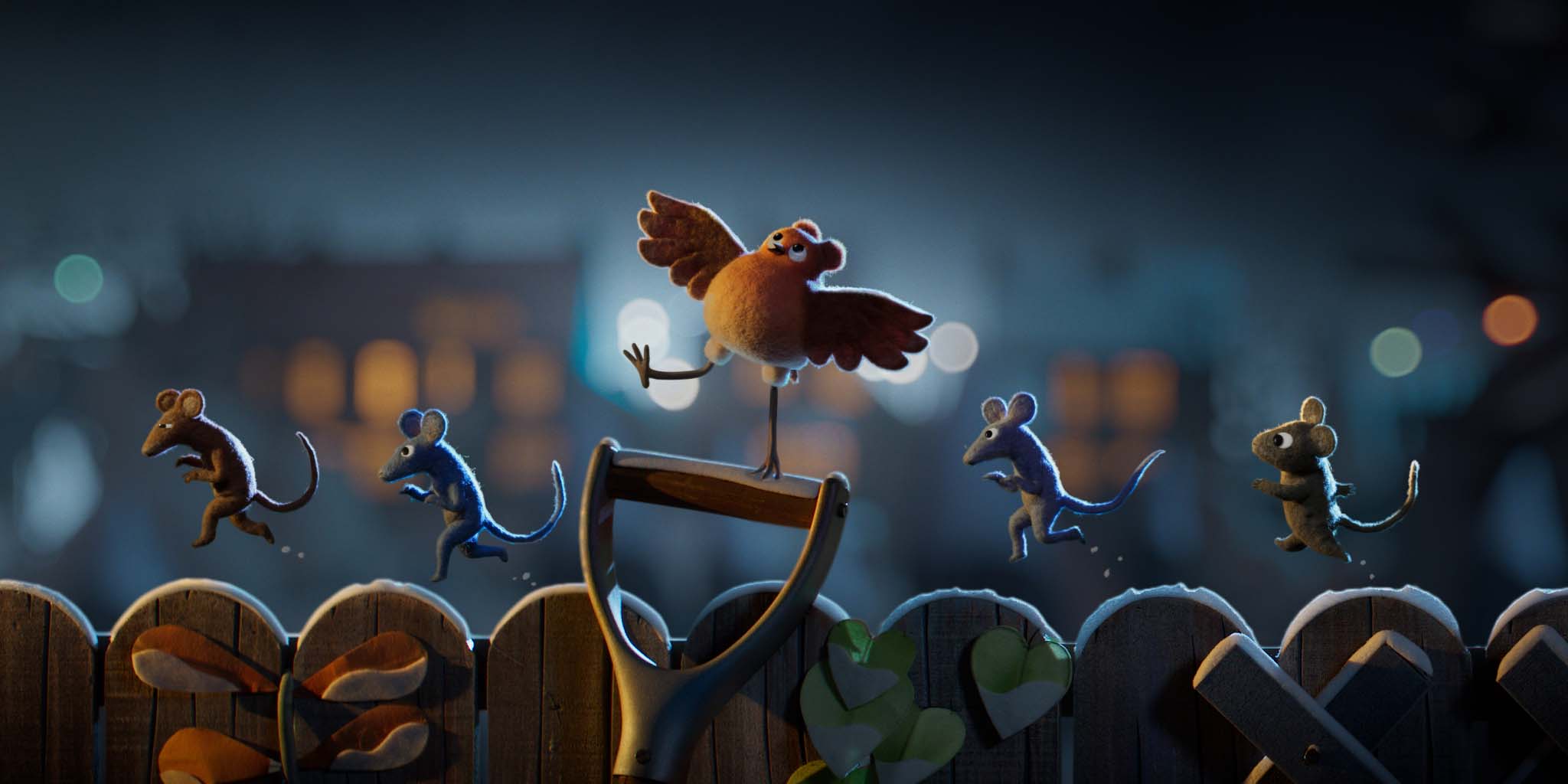
Visually, the film takes a distinctive path for Aardman. Instead of the studio’s iconic plasticine look, the animators used needle‑felted puppets and richly textured sets, giving Robin, her mouse family, and the wider world a soft, tactile feel that audiences instantly remember—an artistic choice that likely helped the film catch the eye of Academy voters.

The Story: A Robin, a Family of Mice, and a Heist
At the heart of Robin Robin is a story about a misplaced egg that rolls into a rubbish dump and hatches into a chick among mice. The mice accept Robin into their family and teach her their way of life: sneaking into human homes, stealing crumbs, and staying unnoticed. As Robin grows, however, her differences become impossible to ignore.
The film’s central heist—the mission to pull off “the heist to end all heists” and bring back a feast—drives the story forward and opens space for both comedy and song. More importantly, it becomes the moment when Robin realises she doesn’t have to erase who she is to be loved, an emotional turn that the music underscores with tenderness and wit.
Aardman’s Creative Leap: From Plasticine to Needle-Felt
For decades, Aardman has been synonymous with plasticine characters and the distinct look of Wallace & Gromit. Robin Robin deliberately breaks from that tradition, using needle‑felted puppets and a softer, wool‑based aesthetic, while still retaining the studio’s trademark attention to character and detail. It’s a visual gamble that paid off.
This new technique makes light and shadow behave differently on screen, giving the film a storybook quality that pairs neatly with its musical format. When viewed on Netflix, that tactile feeling comes across even through a television—something that likely helped the film remain memorable in a crowded awards season.
The Voice Cast: Bringing Robin, Mice and Magpies to Life
Animation becomes truly alive when the voices fit the characters, and Robin Robin assembles a cast that does exactly that. Bronte Carmichael leads as Robin, giving the young bird both innocence and determination, while Adeel Akhtar voices Dad Mouse with warmth and comic timing that anchor the family dynamic.
Gillian Anderson’s performance as the Cat adds a sly, sinister edge to the film, contrasting with Richard E. Grant’s show-stealing turn as Magpie—a character whose musical number became one of the short’s most memorable moments. Together, the cast deliver performances that are equal parts spoken and sung, essential for a film where songs carry so much of the story.

The Music of “Robin Robin”: Bookshop Band, Orchestration and Collaboration
Bookshop Band at the Heart of the Score
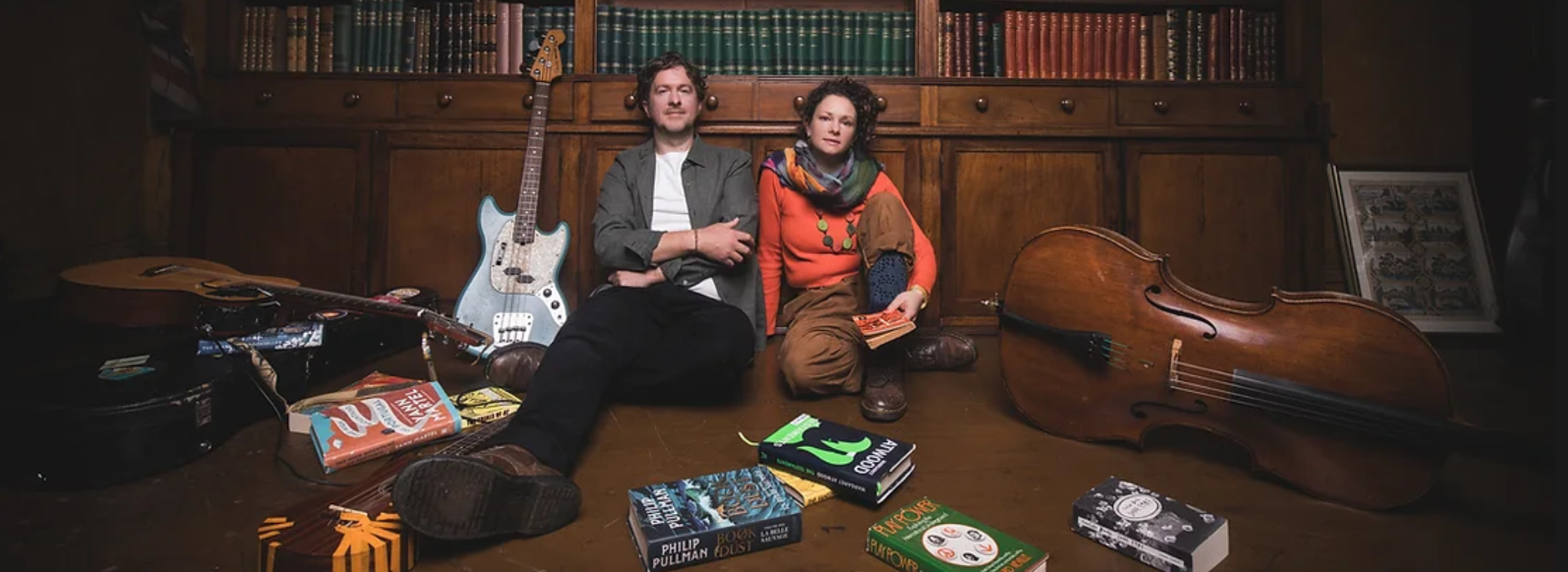
The musical world of Robin Robin started with Beth Porter and Ben Please, the duo known as Bookshop Band. Their songwriting brings a folk‑inflected intimacy to the film, mixing catchy melodic hooks with lyrics that serve the story rather than distract from it. The songs feel as if they could have been sung in a living room, yet they expand effortlessly into full orchestral textures.
For this film, their work had to function on multiple levels: as character songs, narrative devices, and emotional climaxes. That’s a demanding brief for any songwriting team, and the fact that the music feels so natural on screen is testament to both their craft and the careful orchestration that followed.
Orchestration and the Music Department
Once the songs were written, the task of orchestrating them for recording sessions became crucial. On Robin Robin, Jools Scott and Adam Langston orchestrated The Bookshop Band’s score, translating intimate song ideas into fully developed arrangements for the ensemble. This process involved choices about instrumentation, texture, and pacing that would keep the music tightly bound to the picture.
Working within Aardman’s musical tradition—where character and humour are always in focus—the orchestrations support the story at every beat. From the scuttling strings accompanying the mice’s burglar antics to the more expansive cues underscoring Robin’s moments of self-discovery, the music department’s fingerprints are all over the final sound of the film.
Aardman’s Wider Legacy and the Place of “Robin Robin”
Robin Robin did not arrive in a vacuum. Aardman already had a long track record at the Academy Awards, and the film’s nomination added another chapter to that history. It also marked a notable first: the studio’s debut in full stop‑motion musical form, signalling a willingness to experiment with genre as well as technique.
For fans, the nomination confirmed that Aardman’s storytelling continues to evolve while retaining its handmade soul. For those of us working in the music department, it was especially encouraging to see a musically driven short recognised at this level—proof that song‑led narratives can sit comfortably alongside more conventional animated fare at awards time.
How the Robin Robin Oscar Nomination Impacts Everyone Involved
An Oscar nomination touches every department on a film, but it feels especially significant for music teams whose work is often heard more than seen. The Robin Robin Oscar Nomination nod validated months of writing, arranging, recording and revising—from The Bookshop Band’s earliest demos to the final mix that accompanies Robin’s flight across the screen.
For collaborators like myself in the music department, it’s a reminder that detailed work in the studio can echo as far as the Dolby Theatre in Los Angeles. It also opens doors for future musical collaborations, whether in further projects with Aardman, on Netflix titles, or in standalone concert presentations of the songs and score.
From Screen to Score: Connections with Other Musical Projects
The experience gained on Robin Robin sits alongside a range of other film and choral projects. On the screen side, pieces like String Resonance I: Sounds of Red Bull show how cinematic textures and live instruments can build atmosphere in very different visual contexts, from festive stop‑motion to contemporary branded storytelling.
On the choral side, works such as Stardust and Extraordinary! reveal a continuing interest in narratives driven by young voices, much like Robin’s journey in the film. The ability to move between concert hall, recording studio and animation suite is part of what made the Robin Robin collaboration so rewarding musically.
Why “Robin Robin” Matters for Animated Musicals on Streaming
Robin Robin’s nomination is also a signal about what’s possible for animated musicals on streaming platforms. Netflix supported a short, original musical that didn’t rely on an existing franchise or feature‑length runtime, yet it still rose to international awards recognition. That sends a strong message to studios, composers and songwriters considering similar projects.
For music departments, it shows there is room for ambitious, song‑driven storytelling outside of the traditional feature-film model. If a 30‑minute stop‑motion musical about a robin and a family of mice can catch the Academy’s attention, there is clearly an appetite for inventive, musically rich stories told in compact form.
Conclusion
The Oscar nomination for Robin Robin is a celebration of many moving parts: Aardman’s willingness to try a new visual language, Netflix’s backing for an original musical short, The Bookshop Band’s songs, and the detailed orchestration and music department work that shaped the final score. Together, those strands produced a film that could charm children on a winter evening and still stand up to the scrutiny of Academy voters.
For everyone who contributed to the music—from the first idea at a piano to the last tweak in the studio—the nomination is a shared milestone. Robin Robin shows that when animation, story and music are developed in lockstep, even a half‑hour film about a small bird and a family of mice can take its place on one of the biggest stages in cinema.